
A pottery dump discovered about 12 kilometres from Naples has shown that the Romans had and used non-stick cookware. Continue reading “Roman Non-stick Cookware actually existed”
A pottery dump discovered about 12 kilometres from Naples has shown that the Romans had and used non-stick cookware. Continue reading “Roman Non-stick Cookware actually existed”
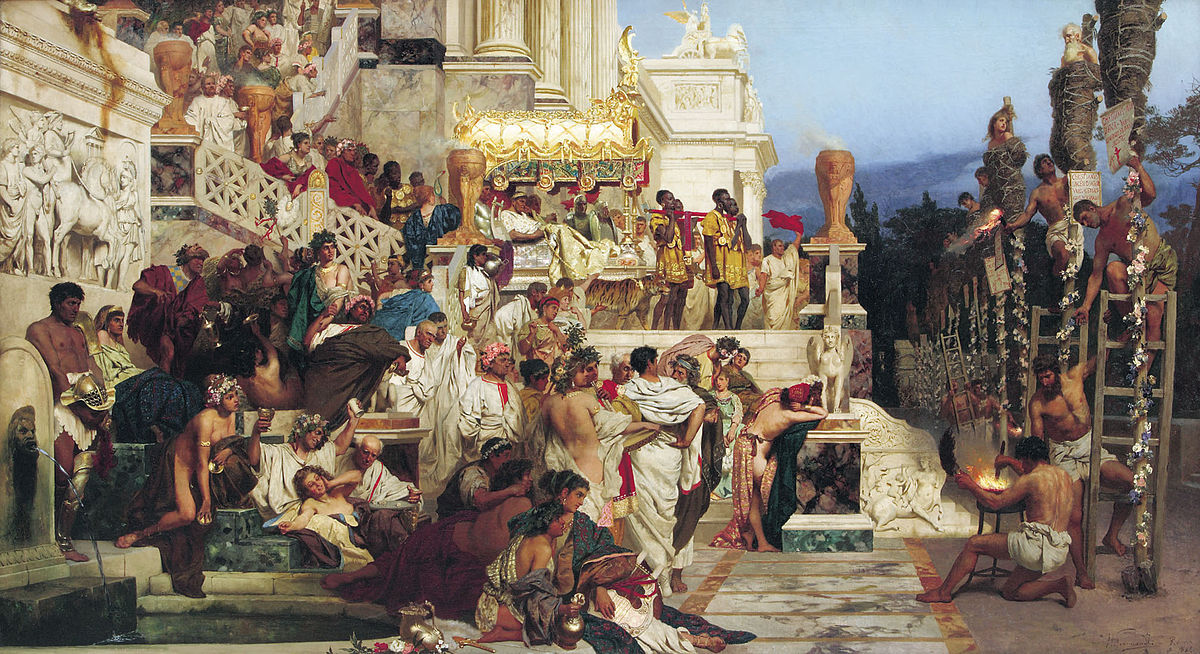
18 July
On this day a fire that engulfed Rome for the next 6 days and destroyed many buildings was ignited. Some sources blame the emperor of the time, Nero, for starting the blaze. Continue reading “AD 64 The Great Fire of Rome”

26 June
Augustus the first emperor of Rome adopts his step-son Tiberius ensuring the hereditary succession of the principate.

A set of lead sling bullets that made a whistling sound when thrown have been discovered by archaeologists in Burnswark Hill in southwestern Scotland. Continue reading “Roman terror weapon discovered in Scotland”
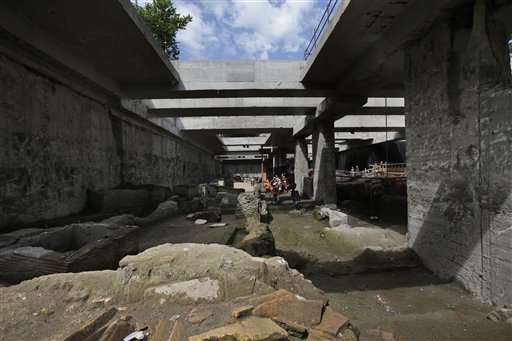
While construction workers poured concrete at the planned Amba Aradam metro stop in Rome, an archaeologist just a few meters away uncovered a small bracelet which led to the discovery of the barracks located 9 metres below street level. Continue reading “Praetorian Guard barracks discovered”

Police arrested two alleged gang members and seized hundreds of looted treasures from the ancient Greek and Roman eras during the operation. Continue reading “Italy busts gang ‘smuggling looted archaeological treasures’”

May 10 – The future emperor Claudius II (Marcus Aurelius Valerius Claudius Augustus) more commonly known as Claudius Gothicus was born on this day A.D. 210.
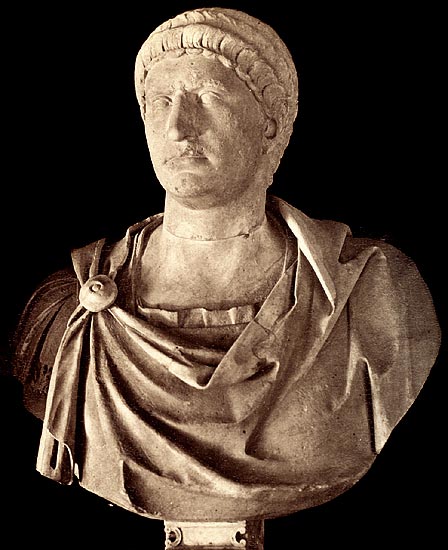
28 April AD 32 the future Roman emperor Otho was born. Continue reading “A.D. 32 The Roman Emperor Otho was born”
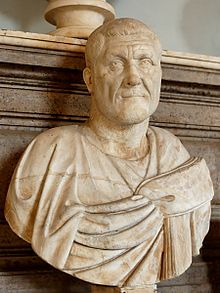
22 April – the Roman Senate outlaws the emperor Maximinus Thrax for carrying out bloodthirsty proscriptions in Rome. Continue reading “AD 238 Senate outlaws Roman Emperor Maximinus Thrax”
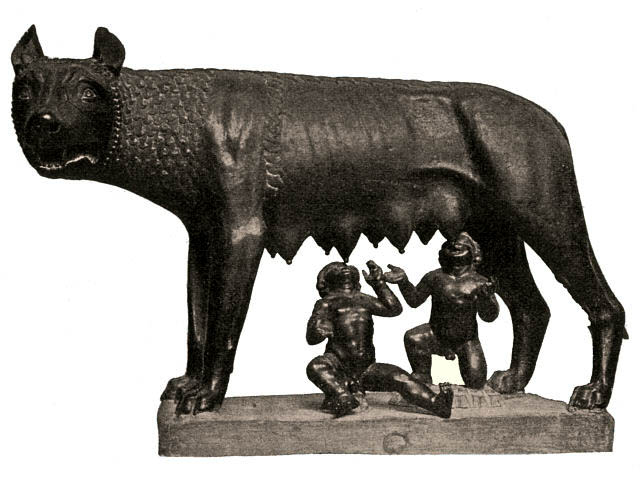
21 April – is the traditional date for the founding of Rome by Romulus. Continue reading “753 BC the traditional date for Romulus’ founding of Rome”

The so-called Pisonian conspiracy led by Giaus Calpurnius Piso, involved a number of the influential Romans in the plan to assassinate the Roman emperor Nero. Continue reading “A.D. 65 The Pisonian conspiracy revealed”

Recent research published in the scientific journal PLOS ONE investigated the diet of Roman gladiators in the second and third centuries A.D. and were able to determine the diet of the gladiators and what appears to have been a Roman era energy drink. Continue reading “Gladiators drank the Roman equivalent of Red Bull”
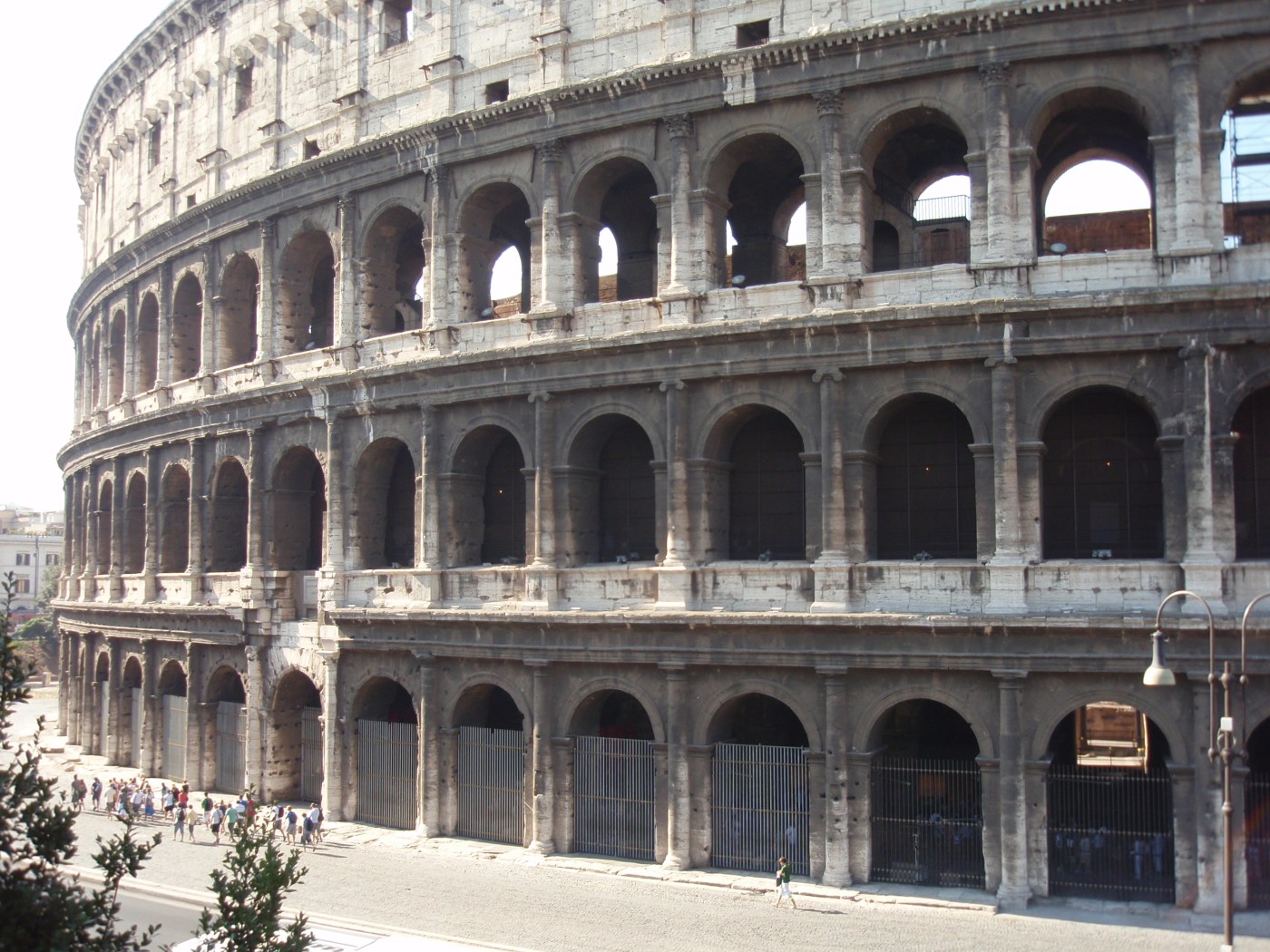
The Colosseum has over the past two thousand years suffered due to environmental pollution, discolouring many of the Travertine surfaces. Continue reading “Colosseum makeover stage one nearly complete”

researchers from the University of Sheffield investigating a large imperial state in Italy have discovered evidence of wine production on the site reaching an industrial scale. Continue reading “Roman wine produced on an industrial scale”

 History Bytez