
After recent reports that Nefertiti’s tomb might be hidden inside Tutankamen’s tomb Egypt’s Minister of Antiquities Continue reading “Egypt has approved the search for Nefertiti’s tomb”

A team from the University of Central Lancashire have discovered Ribchester Roman Fort was inhabited long after it was thought abandoned. Continue reading “Ribchester Fort revelations”
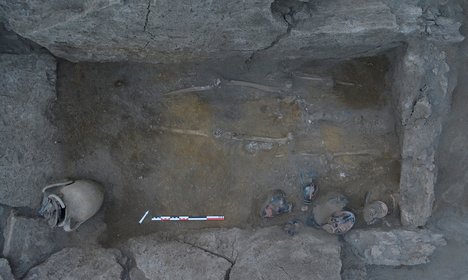
A fourth century BC tomb has been discovered at Pompeii by French archaeologists. Continue reading “Pompeii – 2,400 year old tomb found”

The Western Australian government says that a site where thousands of Aboriginal artefacts were discovered in the 1970’s Continue reading “Western Australian Government deny Aboriginal site has heritage value”
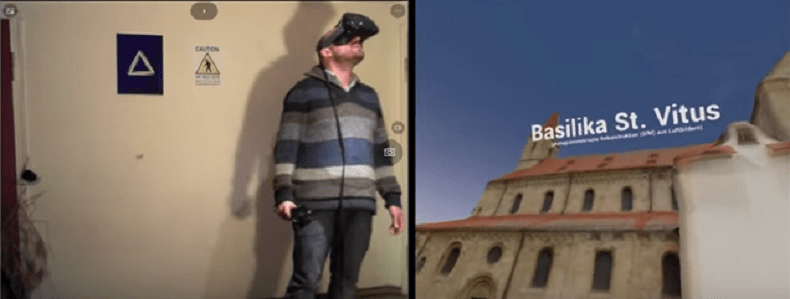
Virtual reality (VR) technology is being used to bring history to life. Archaeologist David Finsterwalder has been experimenting with VR at an excavation in Southern Germany in Ellwangen. Continue reading “VR used to document Ellwangen Excavation”

Near the ancient town of Gematon in the Sudan 16 pyramids with tombs beneath have been discovered. Continue reading “Pyramids discovered in Kushite cemetery”
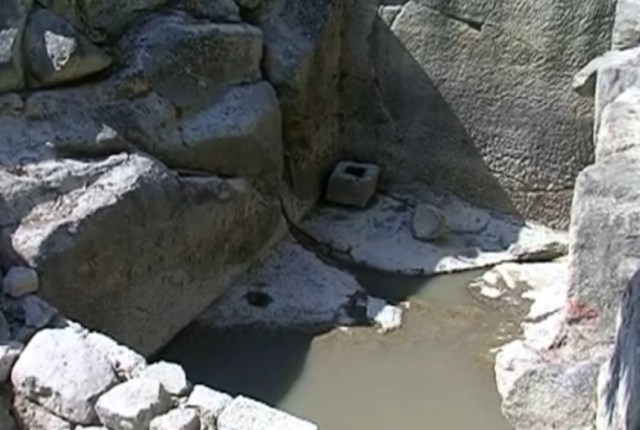
Bulgarian archaeologists excavating the acropolis of Peperikon, Continue reading “Three Roman pagan temples discovered”

University of Leicester archaeologists are excavating sites that show evidence of Roman and Medieval occupation. Continue reading “Archaeology found beneath Bus depot”
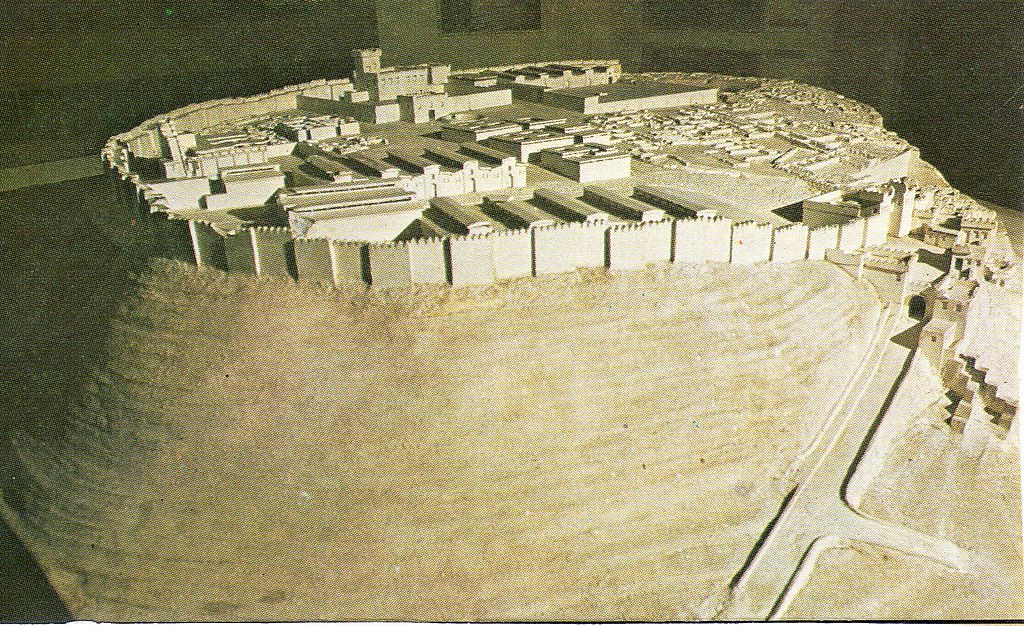
The 15th century BC Battle of Megiddo between Thutmose III and a coalition of Canaanite vassal states. There is debate about the exact year of this battle with 3 common suggestions being 1457, 1479 and 1482 BC. This battle is particularly important as it is considered the first battle to have been recorded with any acceptable level of detail. Our source for this battle, as is often the case, is the victor’s account. Thutmose ordered the war to be recorded and depicted in the Hall of Annals in the Temple of Amun-Re at Karnak, Thebes which illustrate the pharoah’s 14 campaigns in the Levant. This account would have been based on the daily journal kept by Tjaneni, Thutmose’s scribe.

Thutmose assembled an army of between 10,000 and 20,000 troops primarily made up of chariots and foot soldiers the Egyptian army marched to Yehem at an average daily pace of 20 km/day. Yehem was a small city located just before a chain of hills west of Megiddo. The King of Kadesh raised an army of between 10,000 and 15,000 Canaanites which he had stationed in Megiddo.
Although, apparently safer routes were available to Thutmose, the pharaoh chose the quicker more direct route even though it was deemed more dangerous. Luckily for Thutmose, the King of Kadesh had stationed large forces to protect both of the easier approaches to Megiddo ignoring the route Thutmose had actually chosen.

The morning after his arrival Thutmose attacked and routed the Canaanite forces, lack of discipline allowed many of Egypt’s enemies to escape back into the fortified city leading to a prolonged siege, the city was besieged for seven months and the King of Kadesh was able to escape. The Egyptians built a moat and a wooden palisade and eventually forced Megiddo to surrender. The city and citizens were spared. A number of other cities in the Jezreel Valley were conquered and Egyptian authority in the area was restored.
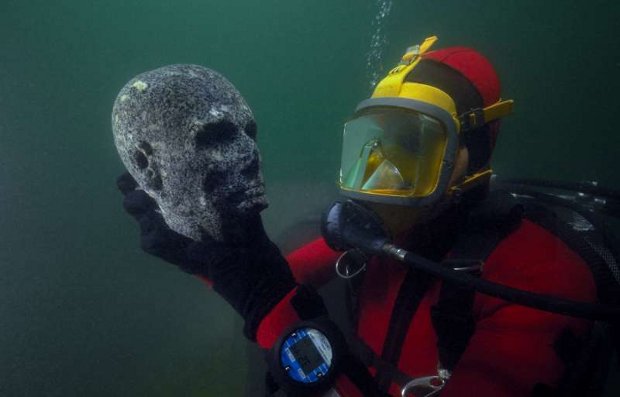
Artefacts recovered from the bottom of the Mediterranean Sea Continue reading “Recovered Egyptian artefacts to be displayed”

This Egyptian god, portrayed as a jackal-headed man, was the protector of the dead, embalming and funerals. Continue reading “Anubis – the Egyptian god of the dead”

A series of 2,500 year old ochre and turquoise cave paintings Continue reading “Mexican cave paintings restored”
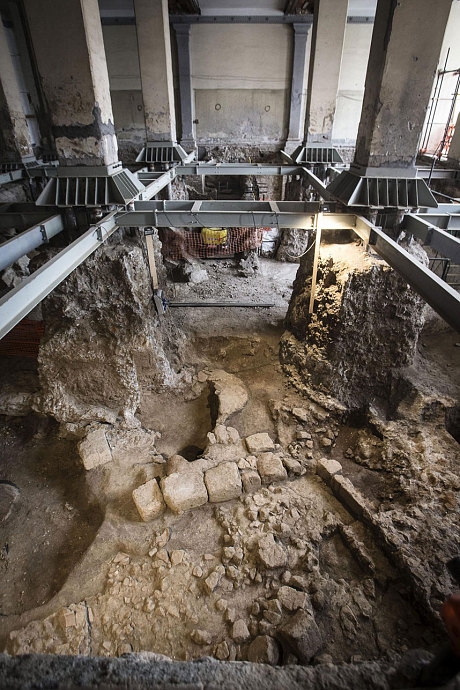
The find of a new house belonging to 6th century Rome indicates that Rome was actually somewhat larger in this period than previously thought. Continue reading “6th Century Rome larger than thought”

One of the gods worshiped by the ancient Egyptians was the jackel-headed god of Death Anubis. Continue reading “Archaeologists estimate Egyptian catacombs contained 8 million dog mummies”

 History Bytez