
The Black Sea, known to the Greeks as Pontos Euxeinos or the “Hospitable Sea”, is the focus of this series, which is concerned with ethnic relations, cultural interaction, and economic interdependence in the Black Sea region in the period c. 700 BC-AD 325, but with a main focus on the years ca. 400 BC-100 AD. Continue reading “Black Sea Studies – Open Access Journal”
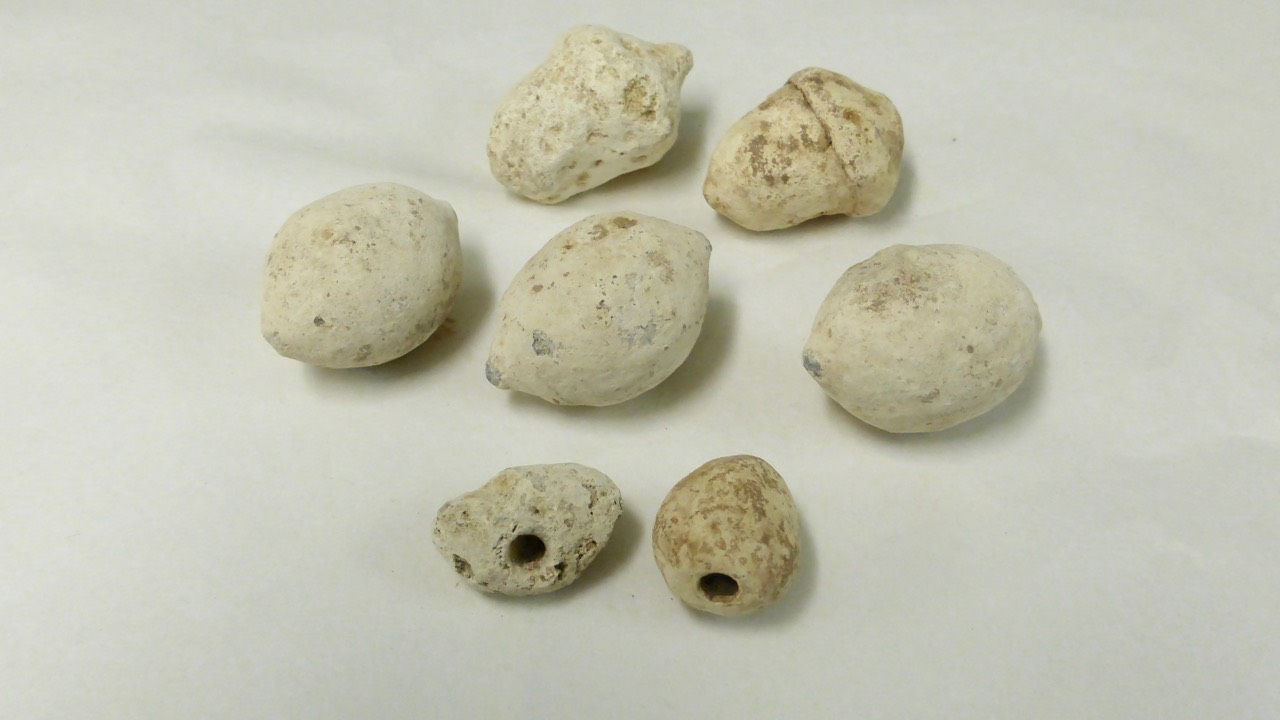
A recent excavation at what is believed to be the site of the first battle of the Roman invasion of Scotland around 140 AD, has uncovered a number of lead slingshot that contained drilled holes. Continue reading “Lead Sling bullets that whistle”
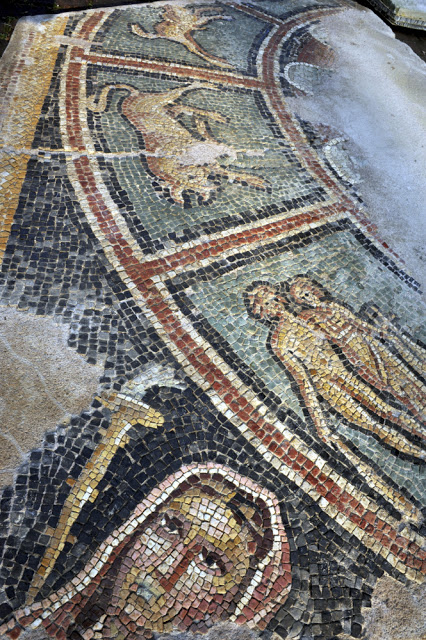
A mosaic depicting the Roman zodiac has been discovered in the Hisar region of Turkey. Continue reading “Roman Mithras Mosaic Discovered”

Recent excavations at the Empuries site on the Cost Brava, which has been the subject of excavations for 180 years has yielded another major find. Continue reading “Silver Denarii hoard discovered at Empuries Site”
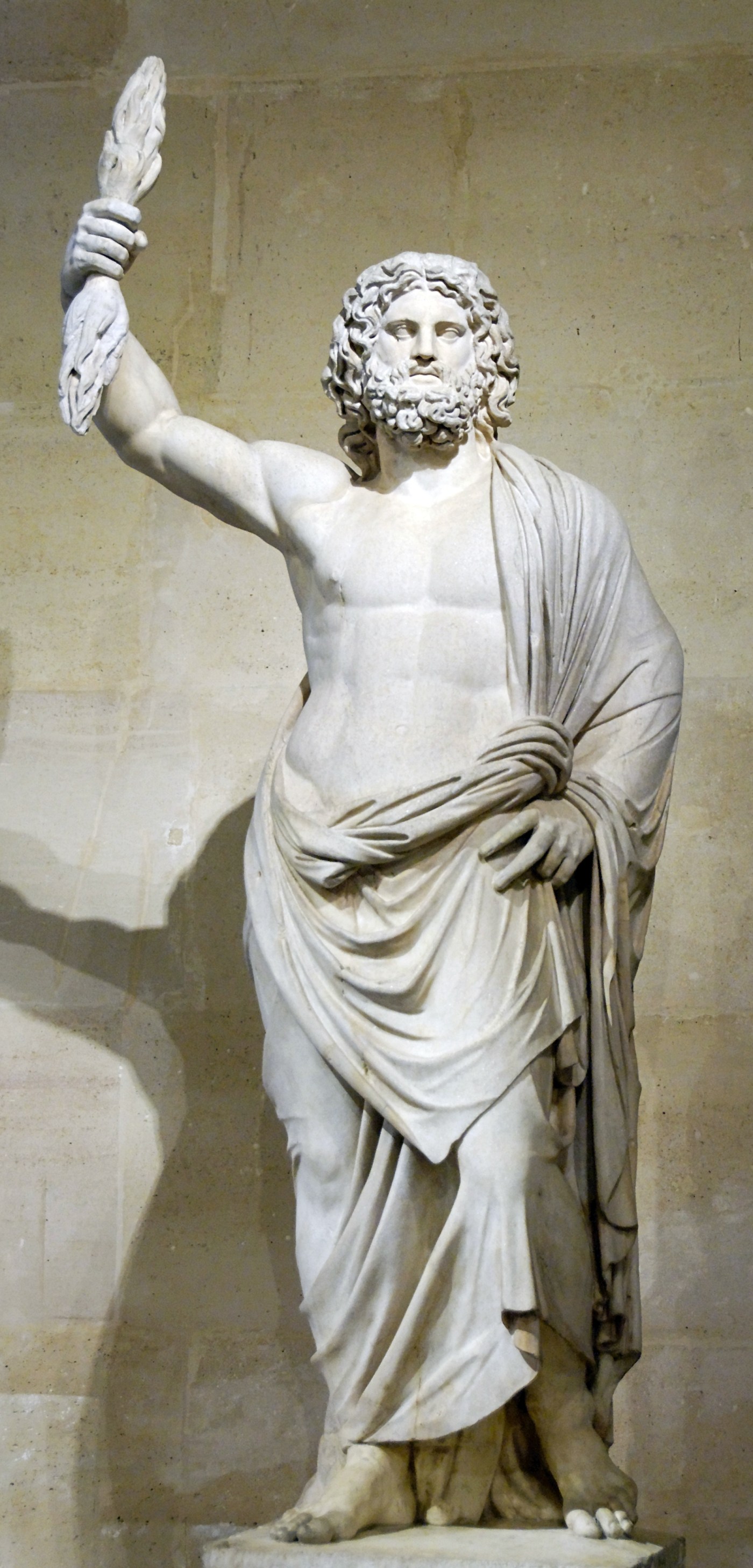
Excavations on Mount Lykaion, a remote location overlooking the Peloponnese, and believed to be the birthplace of Zeus have revealed the skeleton of a teenager. Continue reading “Excavations in Greece reveal possible human sacrifice to Zeus.”

This site has reported on the ongoing story of the Nazi gold train apparently found buried near Wroclaw Poland over the last year, the mystery may now be on the verge of being solved.
Continue reading “Excavation to find Poland’s Nazi Gold Train to proceed”

Archaeologists in Northern Eastern Serbia excavating the Roman city of Viminacium have discovered two magical scrolls made of precious metal. Continue reading “Ancient Spells discovered in Serbia”

Workers building a new church in Casal Bernocchi, Italy have discovered a Roman bathhouse. Continue reading “Roman bathhouse discovered in Italy”
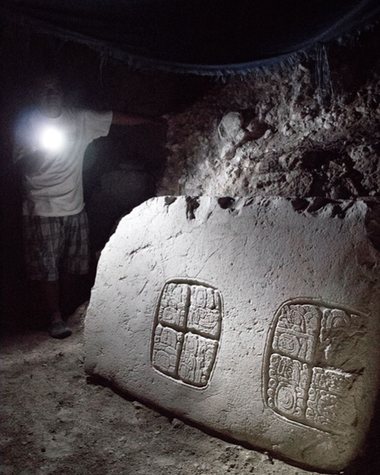
Excavations at a Mayan ruins of Xunantunich in Western Belize have led to the discovery of the largest Mayan tomb in the region in a century. Continue reading “Mayan Tomb discovered in Belize, largest in a Century”

A pottery dump discovered about 12 kilometres from Naples has shown that the Romans had and used non-stick cookware. Continue reading “Roman Non-stick Cookware actually existed”

When the British Empire ruled much of the world, many artifacts and artworks, including reliefs and statues from the Parthenon in Athens known as the Elgin Marbles, were taken to Britain. These have been a point of contention for sometime and are amongst the most controversial items held by the British Museum with the Greeks having requested their return. Continue reading “Elgin Marbles controversy”

Spectacular new discoveries from the Caucasus set the stage for a dramatic hilltop ritual.
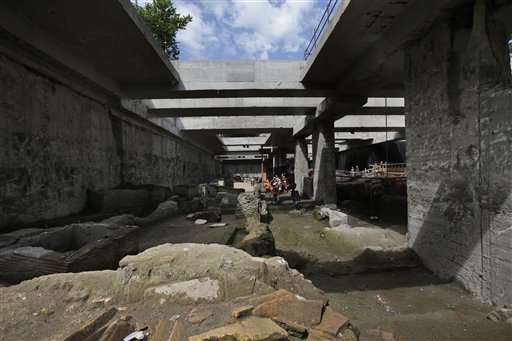
While construction workers poured concrete at the planned Amba Aradam metro stop in Rome, an archaeologist just a few meters away uncovered a small bracelet which led to the discovery of the barracks located 9 metres below street level. Continue reading “Praetorian Guard barracks discovered”

MILAN, ITALY—Daniela Comelli of the Polytechnic University of Milan and her team conducted an analysis of the dagger found in the wrappings of Tutankhamun’s mummy by Howard Carter in 1925. Continue reading “Blade of Ancient Egyptian Dagger Analyzed”

 History Bytez