 Source: Pompeii Before the Romans
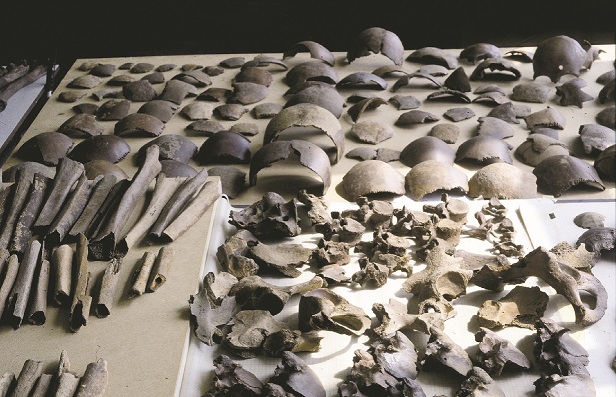

As we reported earlier it has long been rumoured that in the last days of WWII the Nazi’s who had assembled a vast treasure including 300 tons of gold brought a heavily armoured train to Wroclaw Poland. Continue reading “Nazi treasure train update”

A new study published in the journal Antiquity has archaeologists suggesting that Stonehenge was not originally located in Wiltshire where it is now. Continue reading “Stonehenge stolen from the Welsh, and moved?”
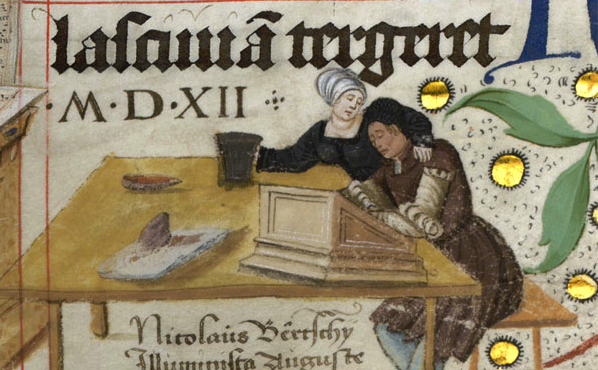

Self-portraits of medieval book artisans are as exciting as they are rare. In the age before the modern camera there were limited means to show others what you looked like. In the very late medieval period, when the Renaissance spirit was already felt in the air, some painters made self-portraits or included themselves in paintings commissioned by others. Stunningly, the medieval painter Jan van Eyck showed himself in the portrait of Giovanni Arnolfini and his fiance: he is staring at you from the mirror that is hanging behind the couple. For those who still didn’t get it, he painted above it Johannes de eyck fuit hic, “Jan van Eyck was here” (Fig. 1, more here). He added the date 1434 to the picture, making it a particularly early selfie.
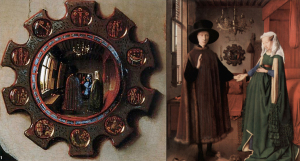 Fig. 1 – Jan van Eyck, Giovanni Arnolfini and fiance (right) and mirror detail (left)
As far as producers of books is concerned, there were only two kinds…
View original post 1,052 more words

New research using ancient DNA has revealed that plague has been endemic in human populations for more than twice as long as previously thought, and that the ancestral plague would have been predominantly spread by human-to-human contact—until genetic mutations allowed Yersinia pestis (Y. pestis), the bacteria that causes plague, to survive in the gut of fleas. Continue reading “Plague in humans ‘twice as old’ but didn’t begin as flea-borne”
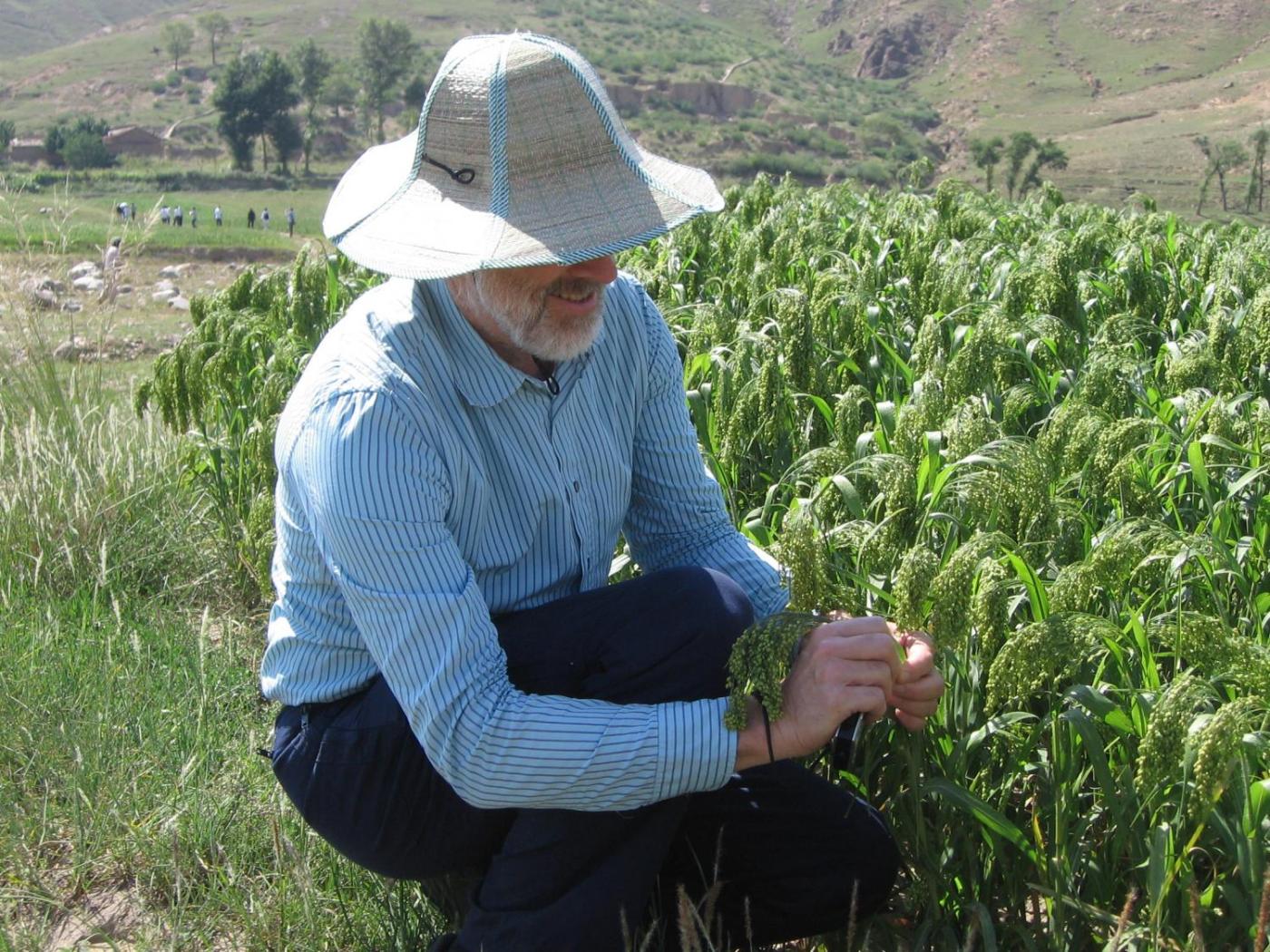
New research shows a cereal familiar today as birdseed was carried across Eurasia by ancient shepherds and herders laying the foundation, in combination with the new crops they encountered, of ‘multi-crop’ agriculture and the rise of settled societies. Archaeologists say
‘forgotten’ millet has a role to play in modern crop diversity and today’s food security debate.
The app available for windows, iphone and android features 3D reconstructions of the various buildings located at Pompeii to get an idea of how it all looked before the eruption of Vesuvius. The app also features cutaway drawings of houses and public buildings. Continue reading “Pompeii becomes a touch app”
The video below provides and excellent overview of the development and evolution of the trailer, using the Star Wars movies
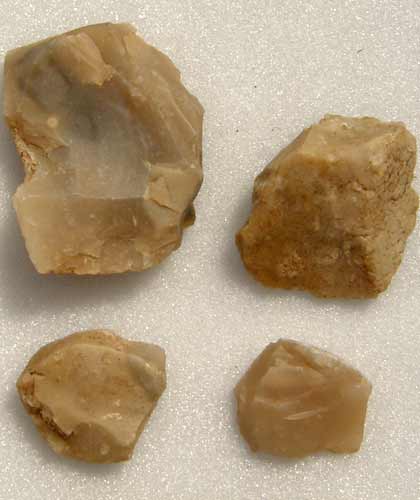
Gun flints were thought not to have been used until the mid-seventeenth century, but a new find at the stronghold of Clan Morrison on Dùn Èistean excavation Continue reading “Earliest Gun Flints Discovered”
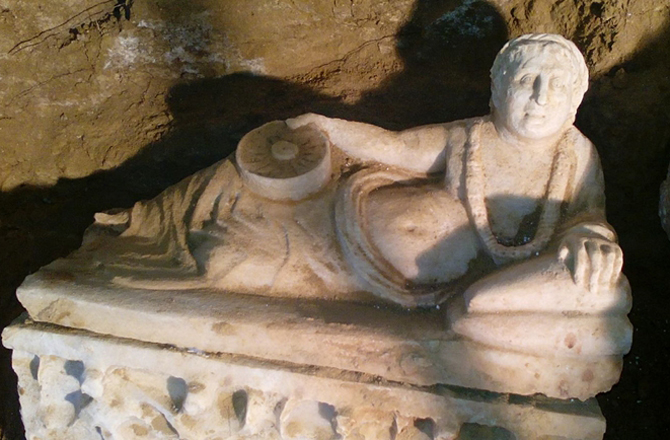
The tomb was discovered by an Italian farmer while plowing a field near Perugia in Umbria. Continue reading “Intact Etruscan tomb discovered”

 History Bytez