
Locusta was born in the 1st century AD in Gaul (modern day France) during her youth it appears that she learnt a great deal about herbalism and toxicology. By the time the sources mention Locusta it is apparent that she is already held responsible for a number of poisoning murders in Rome. How many lives Locusta took throughout her career is impossible to tell, as secrecy and discretion were important elements of her business. Continue reading “Locusta and Nero’s university of poisoners”

23 August – On this day
Sir William Wallace who had become an important leader throughout the Scottish Wars of Independence particularly after his defeat of the English forces at the Battle of Stirling Bridge in 1297, he was captured near Glasgow earlier in August 1305 and handed over to Edward I. The English King had Wallace executed for high treason at Smithfield, London by having him hanged, drawn and quartered.

22 August – On this day
Charles I King of England called the round heads, the Parlimentarians, traitors and raised the royal standard at Nottingham. He managed to assemble about 2000 cavalry and a smaller force of infantry before going on to assemble a larger force in the weeks to come.
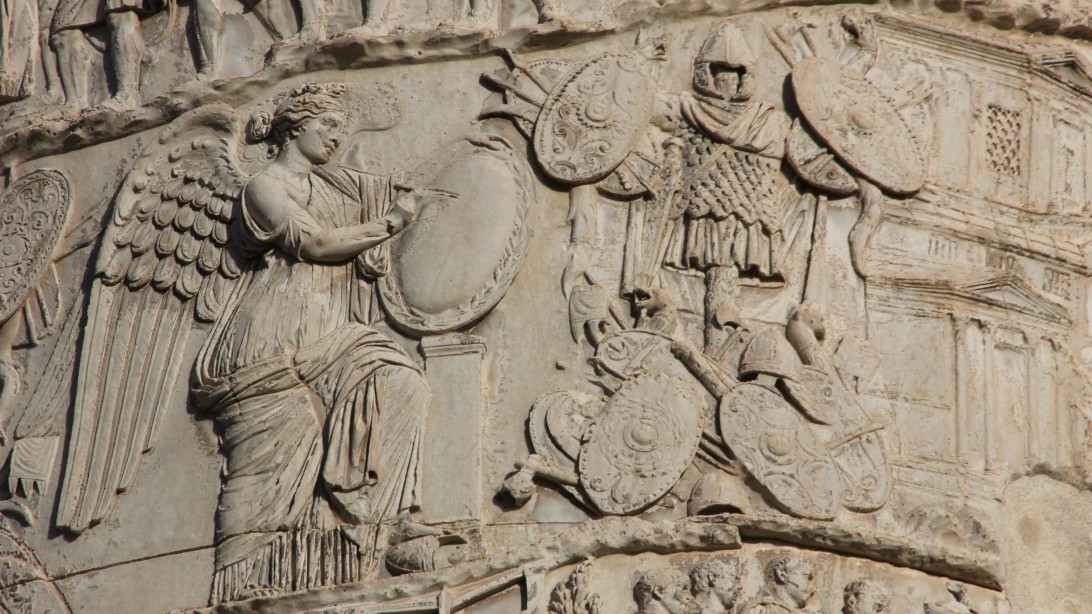
This image comes from Trajan’s column and depicts the personification of Victory inscribing the name Dacia onto a shield to be hung on the victory trophy depicted to the right of the scene signifying the end of the first Dacian war. The victory monument on the right of the scene shows a tree trunk covered in the armour and weapons of the defeated enemy which can tell us a lot about the weapons and armour used by the Dacians throughout these conflicts.

The evolution of body armour is a fascinating subject from the stylistic changes in Roman armour to the development of modern bullet proof vests, sometimes the failures tell us as much as the successes do. Max Virtus has written a really interesting article on one of those failures that never made it to the battlefield in his article about the World War I Brewster body armour.
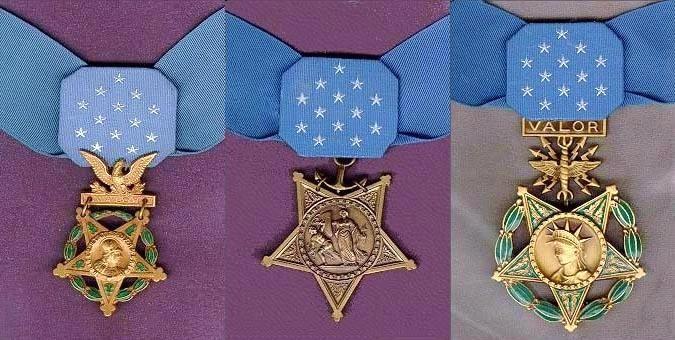
The Medal of Honor awarded for “conspicuous gallantry and intrepidity at the risk of life above and beyond the call of duty.” was introduced in 1861, originally only for the sailors and Marines as the Army thought it was a bad idea. Six months later the Army changed its mind and approved the award of the Medal of Honor to soldiers. A recent documentary Medal of Honor – The History discusses the history and evolution of this award and explains the symbology of the original Navy design of Minerva repelling Discord and how the design came Continue reading “The Medal of Honor”
Welcome to History Bytes, this website is part of an ongoing project to share our love of history with others. We love all periods of history although we individually specialize in different periods. We come from education backgrounds and have many years combined experience teaching history. Please join us in explorations into the past.

 History Bytez