
LAaR: Libyan Antiquities at Risk is a 6-month pilot project funded by the Society for Libyan Studies based at the University of Leicester. Continue reading “LAaR: Libyan Antiquities at Risk”
LAaR: Libyan Antiquities at Risk is a 6-month pilot project funded by the Society for Libyan Studies based at the University of Leicester. Continue reading “LAaR: Libyan Antiquities at Risk”

Alexander the Great 356 BC – 323 BC also known as Alexander III of Macedon was the king of Macedon and one of the greatest generals ever to have lived, conquering the Persian Empire and reaching all the way to India before his death.
This genuine coin is about 2,300 years old and depicts Alexander as Herakles (Hercules) wearing the Nemeaen Lion Skin on his head and tied at his neck. This is a very common depiction of Alexander on his coins. Nice crisp detail is clearly visible on both sides of the coin, some minor wear visible on the reverse of the coin on the first three letters of the inscription and the handle of the club.
Continue reading “Sold Pending Payment: Bronze Alexander the Great Coin”

Archaeologists have just discovered an inextricable network of galleries, shafts and chambers. Continue reading “An exceptional discovery at Thorikos, Greece”

ARCHAEOLOGISTS have uncovered a boat intended to carry the soul of its owner to the stars buried under the ruins of a 4500-year-old Egyptian tomb. Continue reading “Egyptian Solar boat discovered”
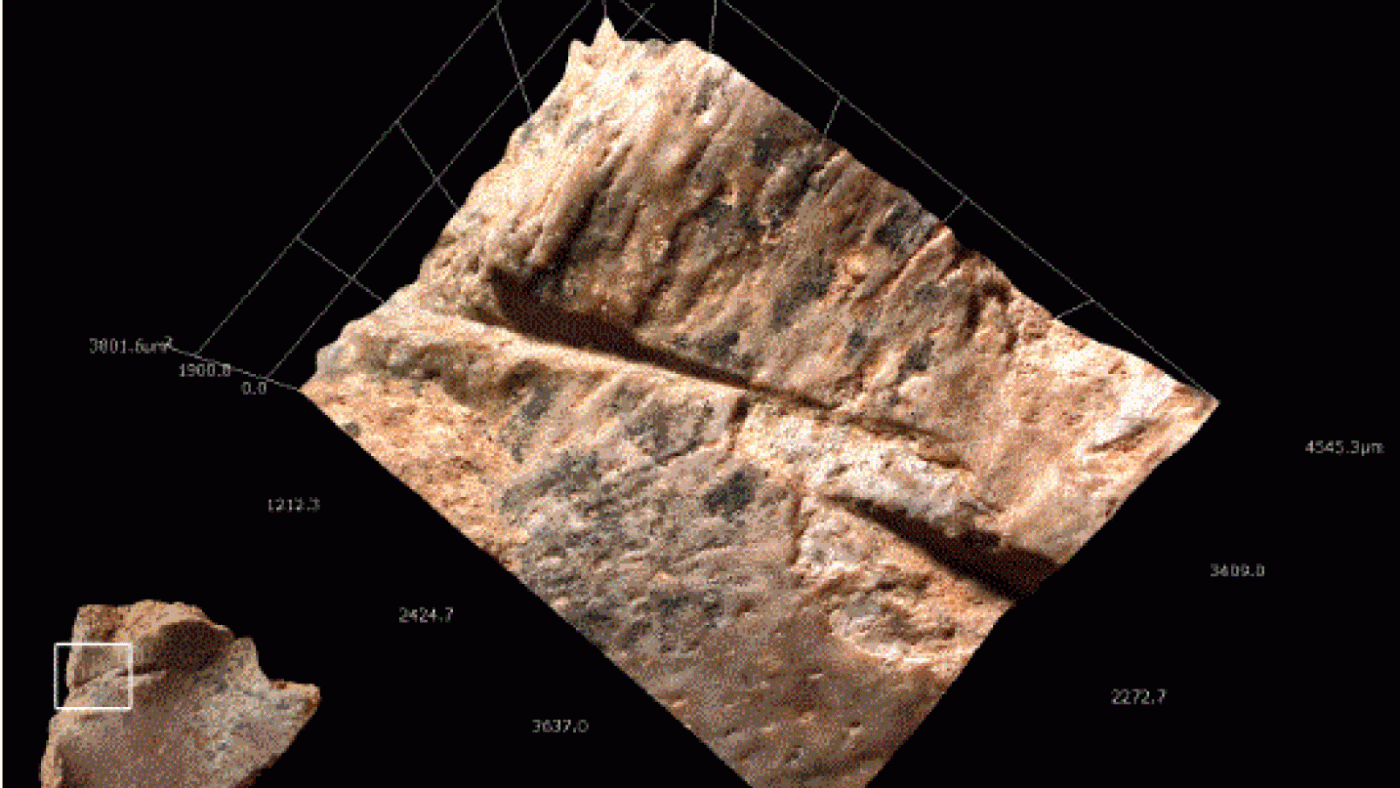
Marks on tortoise shells discovered in Qesem cave suggest pre-historic people in Israel ate tortoises. The marks indicate that the shell of the animals were cracked open using stone hammers. Furthermore, burning on the shells indicates the animals were cooked in their shells.
Continue reading “Prehistoric Israelis roasted tortoises 400,000 years ago”

Due to the severe drought in Southern Mexico this year, a church believed to be more than 400-years-old has re-emerged in the Grijalva River. Continue reading “16th-century church re-emerges from beneath Mexican reservoir”
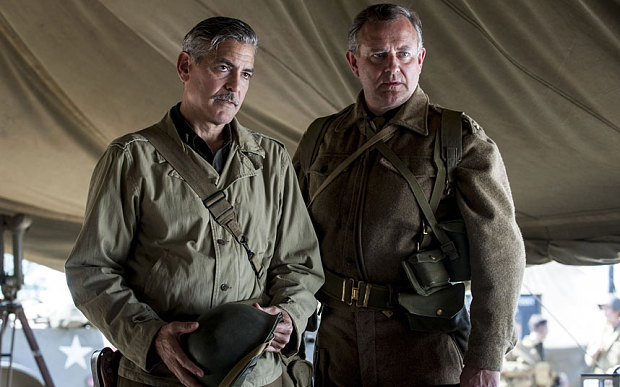
The Army aims to recruit a ‘Monuments Men’ team of art and archaeology experts to help protect priceless cultural treasures in war zones and choke off terrorist funding from antiquities smuggling.
The specialist unit of up 40 advisers will be staffed by expert reservists with backgrounds in museums, archaeology, the art world or criminal investigations, according to proposals seen by the Telegraph.
The cultural property protection unit will mirror the ‘Monuments Men’ team of British and American art experts who saved priceless European art treasures carried off by the Nazis and were portrayed in a recent George Clooney film.
Specialists will deploy to warzones alongside commanders to advise on how to locate, protect and save cultural riches in the area they are fighting, according to the idea.

A team of historians claim that evidence indicates that the Romans made it to an island off the coast of Canada which has artifacts dating back to a time of the Roman Empire. Continue reading “The Romans made it to Canada?”

As we reported earlier it has long been rumoured that in the last days of WWII the Nazi’s who had assembled a vast treasure including 300 tons of gold brought a heavily armoured train to Wroclaw Poland. Continue reading “Nazi treasure train update”

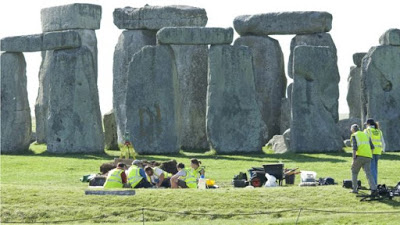
A new study published in the journal Antiquity has archaeologists suggesting that Stonehenge was not originally located in Wiltshire where it is now. Continue reading “Stonehenge stolen from the Welsh, and moved?”

New research using ancient DNA has revealed that plague has been endemic in human populations for more than twice as long as previously thought, and that the ancestral plague would have been predominantly spread by human-to-human contact—until genetic mutations allowed Yersinia pestis (Y. pestis), the bacteria that causes plague, to survive in the gut of fleas. Continue reading “Plague in humans ‘twice as old’ but didn’t begin as flea-borne”
The app available for windows, iphone and android features 3D reconstructions of the various buildings located at Pompeii to get an idea of how it all looked before the eruption of Vesuvius. The app also features cutaway drawings of houses and public buildings. Continue reading “Pompeii becomes a touch app”


 History Bytez