
Created about 5,000 years ago Egyptian blue is one of the first artificial pigments manufactured by heating a mixture of a calcium compound, sand and potash to around 850-950 C. Continue reading “Egyptian Blue”

The Institute of Digital Archaeology (IDA) is planning to send thousands of cheap 3D cameras to threatened areas in an effort to document historic sites so that exact replicas can be rebuilt in the case of destruction. Continue reading “3D Imagery to preserve threatened antiquities”
This is an excellent volume, which I believe is an important contribution. It is clear that the manual is based on a great deal of experience in the field and will serve as a wonderful introduction for those wanting to transition from traditional methods to digital methods. Continue reading “Digital epigraphy: Review”
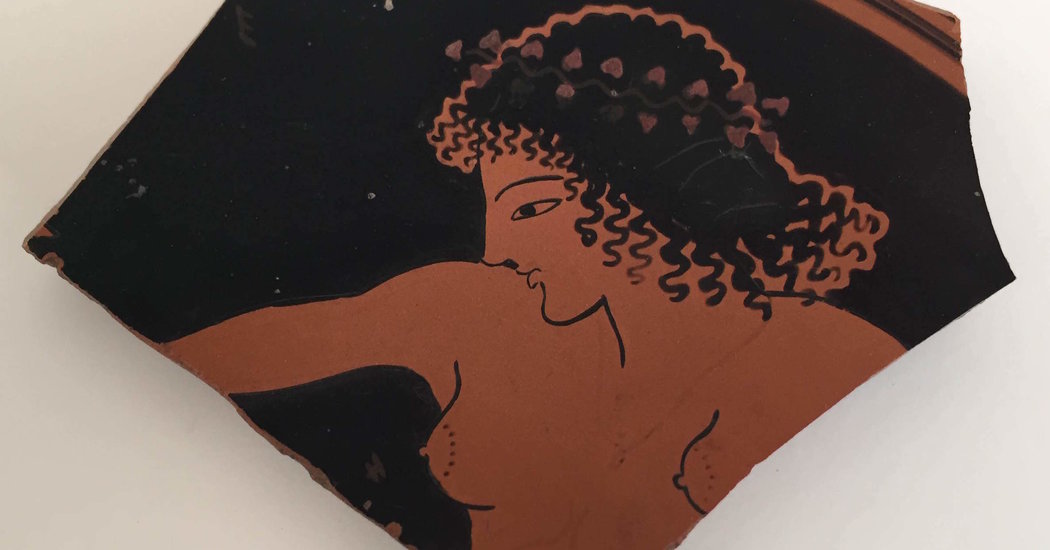
Remains of a sixth-century BC sanctuary have been discovered on the Palatine Hill by archaeologists. Continue reading “Archaeologists discover sixth-century sanctuary”
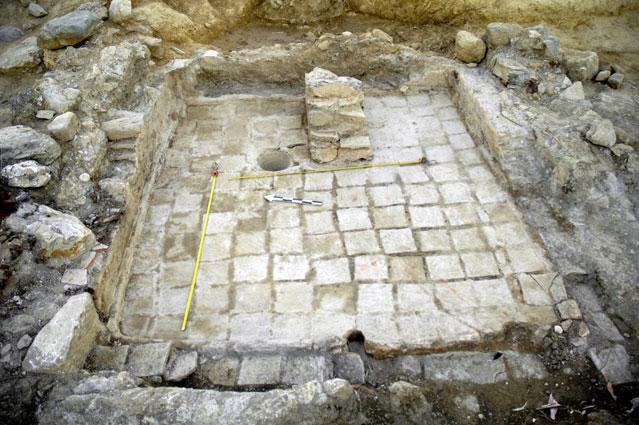
The palace was discovered near Sparta and has been dated to the 17th -16th Century BC. The palace had approximately 10 rooms. Continue reading “17th Century Greek palace discovered”

The FBI have released a document titled ISIL Antiquities Trafficking asking that dealers and collectors take extra care when buying antiquities from the Near East. Continue reading “FBI Warn – terrorists trafficking Antiquities”
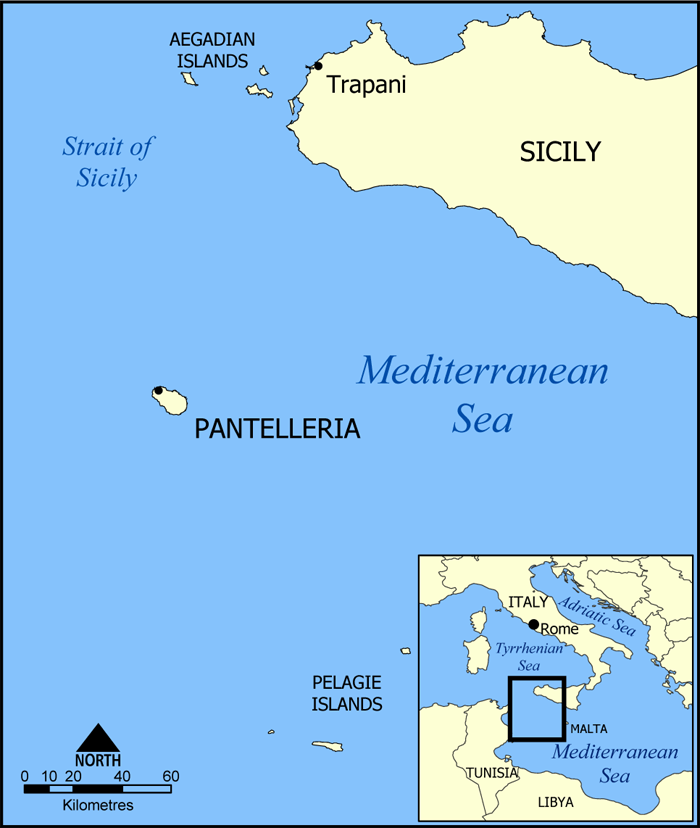
A 15 ton man-made stone monolith similar to the ones at stonehenge has been found 44 metres under water by divers off the Sicilian coast. Continue reading “Monolith found off the Sicilian coast”
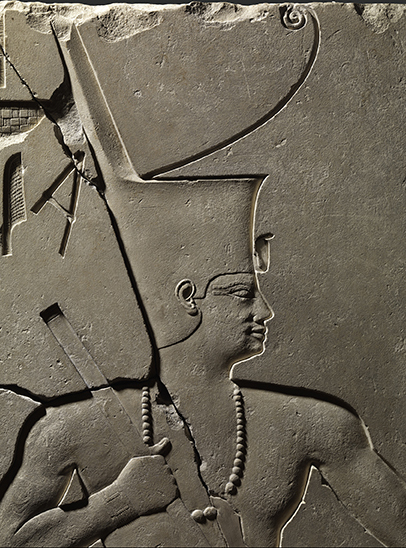
Two hundred and thirty objects, many of which have never been shown in the United States, form a major international exhibition in the Tisch Galleries at the Metropolitan Museum of Art, New York.
Continue reading “Ancient Egypt Transformed: The Middle Kingdom October 12, 2015–January 24, 2016”
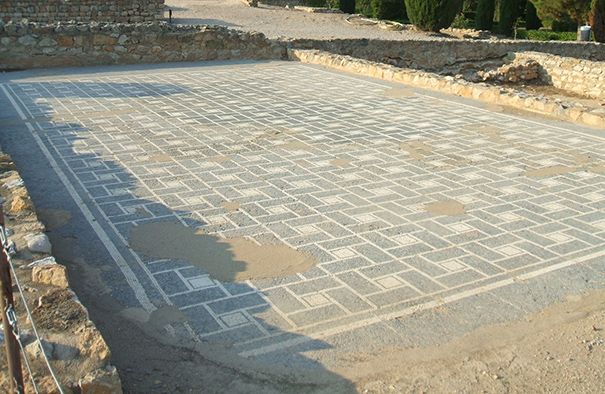
Spanish police have arrested a French couple for looting the Empuries archaeological site. The police found a number of artefacts in the couple’s car in addition to tools associated with archaeologists including metal detectors. Upon closer inspection police discovered 33 holes at the site.

Syria’s head of antiquities has announced the destruction of the Baalshamin Temple in Palmyra. IS who took control of Palmyra in May have, according to reports, used large amounts of explosives to destroy the 1st century AD temple dedicated to the Phoenician god of storms. Continue reading “IS destroy Palmyran temple”
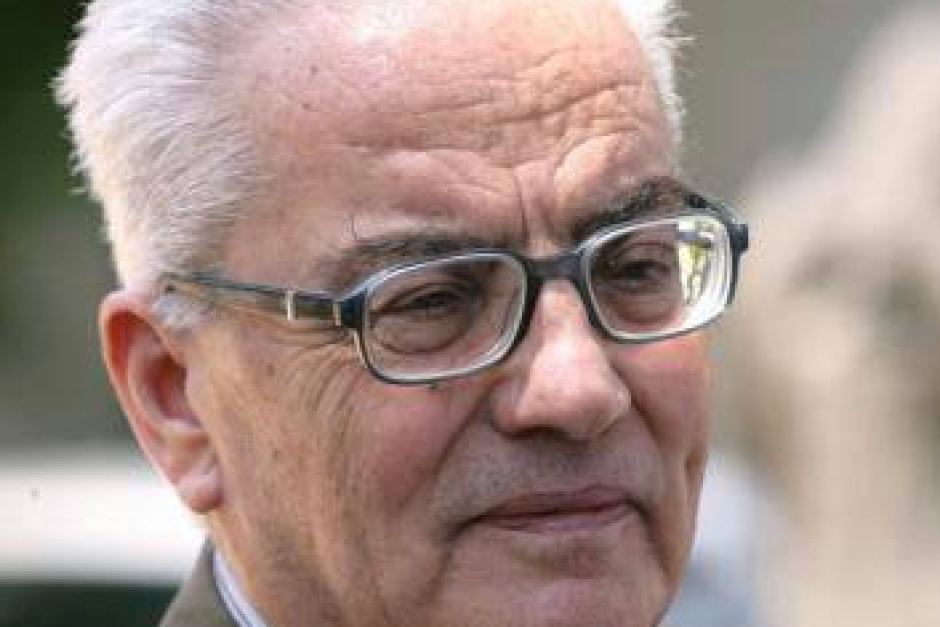
An Indiegogo crowdfunding campaign has been initiated to raise money for a scholarship fund to honour Khaled al-Assad who was beheaded for protecting the location of artefacts removed from Palmyra. Jay Burnet a UK citizen is trying to raise £25,000 to start the scholarship.
Routine drain and sewage maintenance has led to the discovery of three Iron Age skeletons by maintenance workers working on an 18th century cottage. the bones have been dated to between 800 and 600 BC.
Reports from a number of sources indicate that 82 year old archaeologist Khaled al-Asaad has been beheaded by Islamic State for refusing to reveal the location of hidden artefacts from the site of Palmyra. The Syrian archaeologist had devoted much of his life to this site
It is a sad thing for a life to be lost in such tragic circumstances defending the shared cultural heritage many of us love, all of us at History Bytes send our condolences to his family and colleagues.
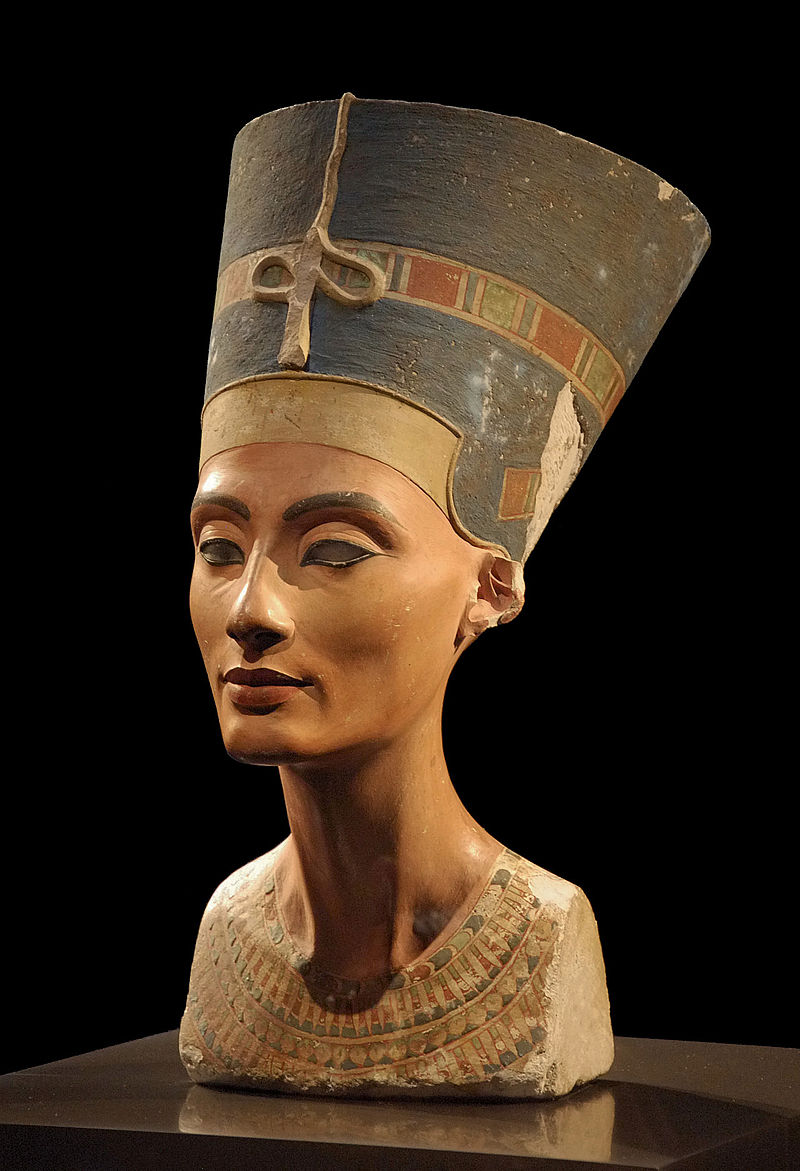
British Archaeologist Nicolas Reeves feels that he may have found the resting place of Nefertitis’ mummy. After studying the high-resolution images taken of Tutankhamun’s tomb in 2009 Reeves was able to discern the texture of the walls of the tomb beneath the paint. This allowed Reeves to discover what he believes are two plastered over doors. Although it is still far from certain that anything exists behind these doors, Reeves believes he has found the likely resting place of Nefertiti. Examination with seismic X-ray and ground penetrating radar equipment is the next step in determining whether or not Reeves is right.

 History Bytez